Dog Enrichment Activities: Beginner's Guide
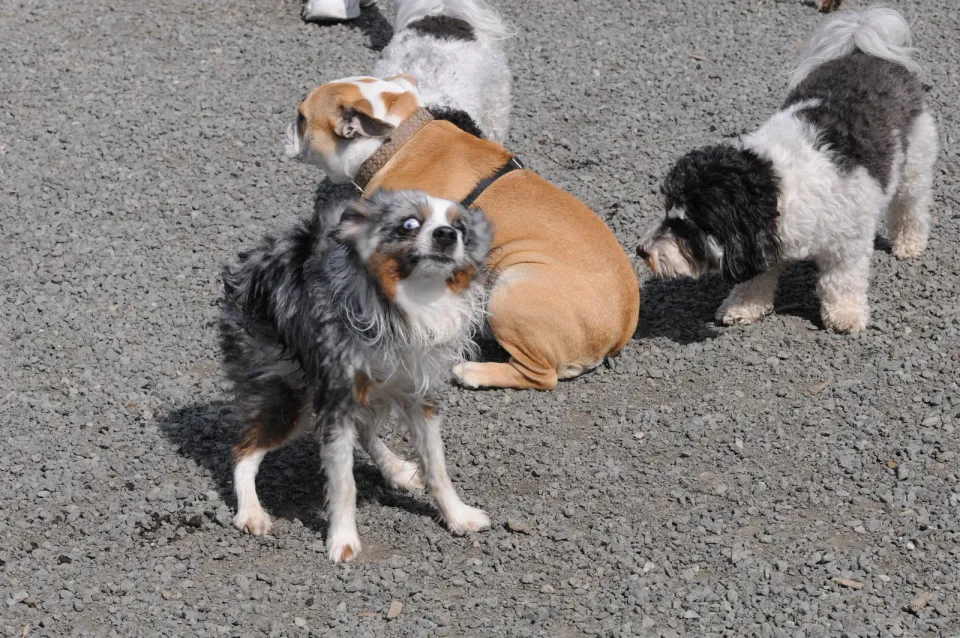
Table of Contents
Enrichment is a day, not a shopping bag
Dog enrichment activities are the walks, games, sniffs, chews, and small jobs that let a dog be a dog. Toys can be part of that — see dog enrichment toys and what to look for in the best dog enrichment toys — but they are not the whole of it. A slow walk where the dog is allowed to smell the world can do more than a cupboard of puzzles the dog has already solved. A two-minute “find it” game in the kitchen can do more than a long, tense jog if the dog’s brain never got to work.
This is a beginner’s guide to activities you can actually run at home and on an ordinary street. It is not veterinary advice and not a training course for a guarded or fearful dog. If the behaviour worries you, or the dog is unwell, speak to a veterinarian or a qualified professional who has met the animal. The ASPCA’s page on canine DIY enrichment puts the same idea plainly: dogs need chances to play, chase, smell, chew, and scavenge, and homemade setups should be supervised, with anything the dog tries to swallow taken away at once.
I have over-planned enrichment the way people over-pack for a picnic: too many objects, not enough actual time. The dog does not grade your props. The dog notices whether the day had a job in it.
A small menu of activities that count
Sniffy walks. Not every walk has to be a fitness target. Some walks can be slow, and the dog can stop and sniff. That is not the dog “getting away with something.” Sniffing is work. If you are short on time, a shorter walk with real sniffing is still an activity. Keep the dog on a setup you can handle, and choose places that are safe for this dog, this traffic, and this weather.
Find it, and other scent games. The ASPCA describes a simple version: say “find it,” drop a treat close to the dog, praise when the dog gets it, then make the hides gradually harder. You can play this in a hallway, a yard, or, with care, on a quiet walk. Use food that is already in the ration or a planned treat. If the dog guards food, do not turn this into a competition with children or other pets.
Foraging at mealtime. A muffin tin with a few wells of kibble and a toy on top, a snuffle mat, a paper-roll puzzle, or kibble scattered on a clean floor are activities, not only “toys.” They slow a meal and give the nose a job. Supervised, and put away when the game is over, especially if the dog eats cardboard or fabric.
Chewing, if the object is appropriate. Chewing is an innate behaviour the ASPCA lists alongside play and scavenging. The object still has to be sized so it cannot be swallowed, and it has to be taken away when it becomes a shard. A chew session on a mat you can wash is an activity. An unsupervised chew in a crate with a toy you have never tested is a hope, not a plan.
Short training games. Five minutes of “touch,” a hand target, or a simple retrieve can be enrichment if the dog enjoys it and you keep the tone light. Stop while the dog is still interested. If the dog shuts down, you went too long, or the game is not kind for this animal today.
Play with you, or with a known dog, if that is actually fun. A tug with rules you both understand, a flirt pole you put away, a careful romp with a dog this dog already likes: these count. A chaotic dog-park visit does not automatically count as enrichment if the dog spends it scared or over-aroused. Watch the dog you have, not the brochure.
Rest. This is not a joke section. A busy day without a quiet place to sleep is not a complete enrichment plan. Puppies and some adults need more sleep than a weekend schedule wants to allow.
You do not have to do all of these every day. You do have to do some of them on purpose, because a bored dog is perfectly capable of inventing a project involving the sofa.
A simple week, without a colour-coded timetable
Think in slots, not in a military calendar. Most days need a sniff opportunity, a bit of food work or a short game, and a chance to rest. Some days add a longer walk or a visit. Weather, work, and the dog’s age will change the mix. A senior dog may want more nose work and less running. A young, active dog may want more of both, and still need an off switch.
Inside on a wet day, you can still run find-it, a snuffle meal, a chew, and a short training game. The ASPCA also mentions indoor agility with household furniture and a homemade flirt pole; if you try those, keep jumps low, floors not slippery, and the lure something the dog cannot swallow. Supervise, then pack the course away so it does not become a midnight buffet of chair legs.
If you have children, give them jobs that are safe: hiding a treat in a box you already checked, or holding a toy for a known cue, not waving food over a dog that jumps. If you have two dogs, separate high-value games until you know there is no guarding. A cat in the same house still needs its own route and its own games; we keep that list in cat enrichment activities.
Keep a short note for a week if you like data: walk, sniff game, chew, rest. You will see the gaps faster than you will if you only remember the day the bin was raided.
A checklist for an ordinary enrichment day
| Slot | A simple option | What to watch |
|---|---|---|
| Morning | A walk with sniffing time, or a short find-it in the kitchen | Traffic, heat or ice, and a pace this dog can handle |
| Meal | Part of the ration in a muffin tin, a snuffle mat, or a scatter on a clean floor | Swallowing of mats, paper, or toys used as lids |
| Midday or after work | A chew or a short training game | Pieces breaking off; frustration; guarding |
| Evening | Play with you, then a quiet place to sleep | Over-arousal late at night; children still running the game |
| Any new setup | You stay in the room | The dog trying to eat the equipment |
- The dog had a chance to sniff, not only to heel
- At least one meal or treat was earned with a nose or a simple puzzle
- Risky objects were put away
- The dog had a place and a time to rest
- I watched any new game myself
Short answers
What is dog enrichment, in one sentence?
It is giving a dog legal ways to use a nose, a brain, a body, and a mouth, instead of leaving all of that energy to invent its own projects.
Do I have to buy special equipment?
No. A walk at the dog’s sniffing pace, a handful of kibble hidden in a room, and a safe chew can be a full beginner’s kit. Equipment helps when it is sized right and used with supervision. It is not the definition of the word.
Can enrichment replace a walk?
Usually not. A puzzle is not a street, and a snuffle mat is not a set of smells. In bad weather you can lean more on indoor games, but most dogs still need to get out, in a way that suits their age and health.
My dog gets wild when I start a game. What then?
Shorten the session, lower the value of the food or the lure, and end before the dog tips into chaos. Teach an end: the toy goes up, a simple cue, then rest. If the arousal or the guarding worries you, get qualified help rather than adding more exciting props.